Concussions: More Common Than You Think
By Dr. Nina Petrie, BA, ND
Concussions are more common than you think, and they can happen at any age. You can get one playing sports like rugby, soccer, or hockey — or falling in the shower, as it happened to me.
A concussion can affect the whole body and often shows up as headache, confusion, cognitive and concentration issues, memory loss, hypersensitivity to light and sound, and anxiety, depression, or irritability.
Here's something that surprises a lot of people: there's no specific medical test that diagnoses a concussion. It's diagnosed through symptoms, medical history, and neurological and cognitive testing. Because a concussion is a functional injury rather than a structural one, a CT scan or MRI will usually look normal — they only show changes if there's a skull fracture or brain hemorrhage.
Post-Concussion Syndrome
A concussion can heal on its own in about 30 days. But 30–40% of concussions become chronic when they aren't treated promptly and properly by a complete concussion management practitioner. When symptoms last, it's called Post-Concussion Syndrome (PCS).
There are five common drivers of long-lasting symptoms:
Blood flow — I use a live blood analysis service to assess blood flow and inflammation, which is very important in supporting the brain's recovery.
Metabolic, hormonal, and inflammatory factors
Visual and vestibular (inner ear) issues
Neck issues from whiplash, which is almost always present alongside a concussion
Psychological effects, including depression and anxiety
Why proper treatment matters
When you go to emergency or visit your medical doctor, you're often told to go home and rest for a long time. But recent research shows a person should only rest for about 48 hours, and then it's important to get proper treatment to support full healing.
Health practitioners can be certified in Complete Concussion Management — a holistic approach that uses multiple modalities to help patients recover and to help prevent PCS and further concussions. This matters because patients with a history of concussion are 3–6 times more likely to have another one, unless they're treated properly and promptly.
Complete Concussion Management care can be provided by various health professionals, including chiropractors, physiotherapists, and naturopathic doctors. A treatment plan typically includes a brain-recovery diet, supplement selection, lifestyle changes, and gradual exposure to the triggers of symptoms. And because of the brain–gut connection, supporting the gut is part of calming the brain's inflammatory process and systemic inflammation too.
As a naturopath, I have a special focus and passion for helping patients with concussion — I've recovered from two of them myself, so I know how it feels. My treatment plans focus on lifestyle and diet modifications, patient education and mindfulness, and herbal, homeopathic, and physical interventions such as breathing exercises and acupuncture when needed.
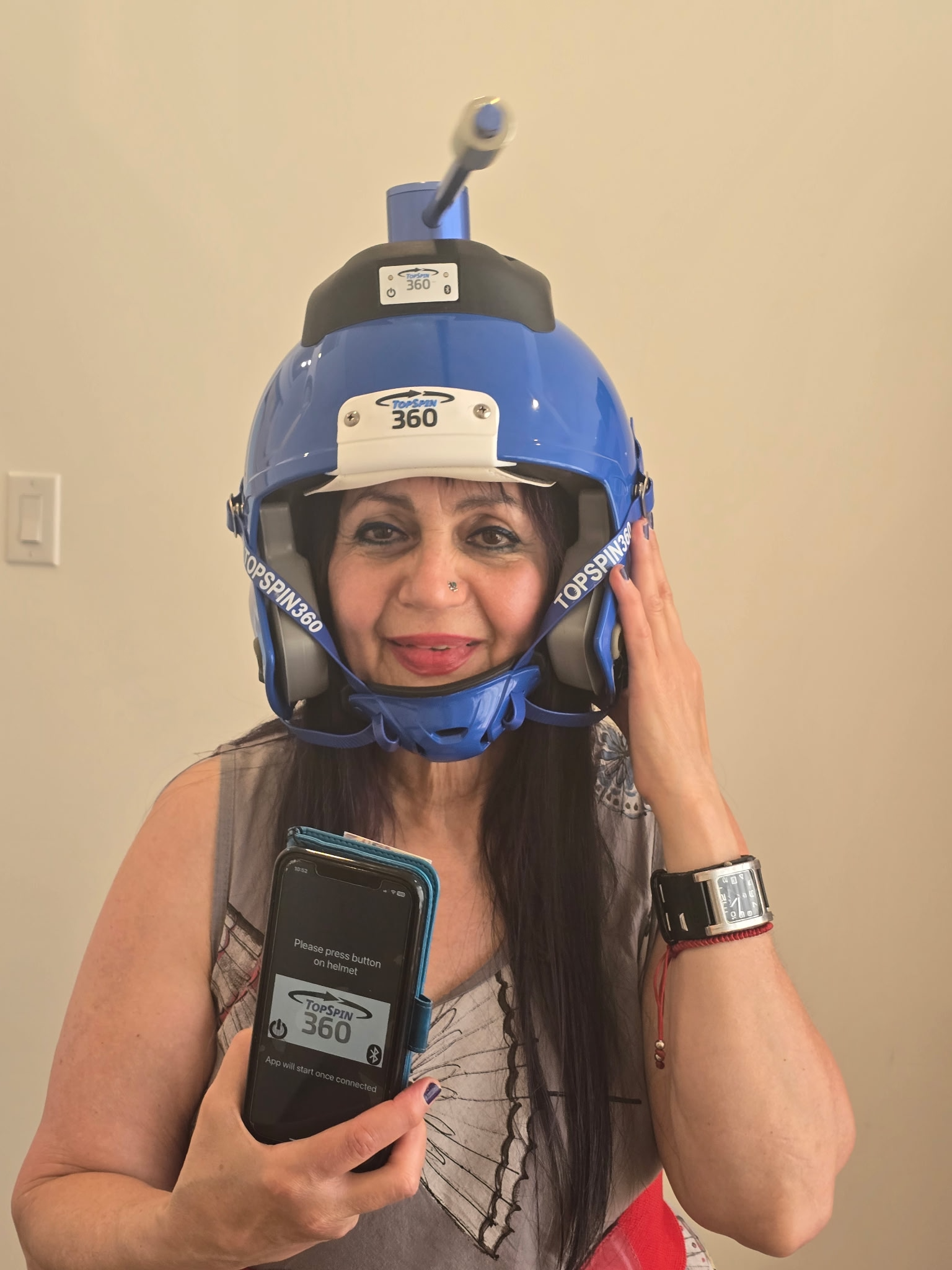
A tool I love: the TopSpin360
A recent addition to my concussion protocol is the TopSpin360 — a device that helps train, stabilize, and strengthen the neck, which is so important in recovering from whiplash and concussion.
Think you or someone you love may be dealing with a concussion or lingering symptoms? [Book a free discovery call] and let's talk about your recovery.
